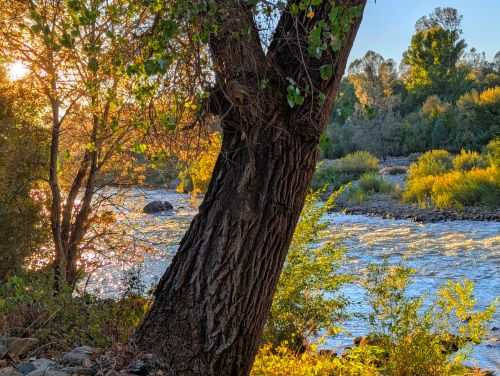
Went back to Coloma, where the California Gold Rush started back in 1848. There’s certainly no more rush now, time is rather slow here.
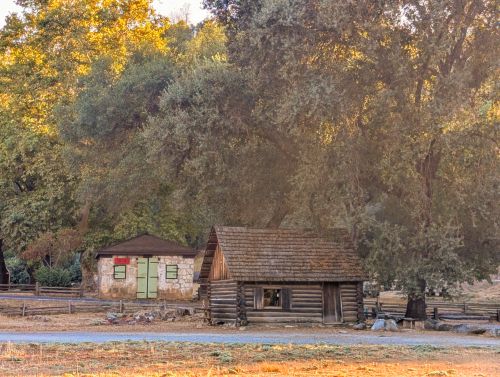
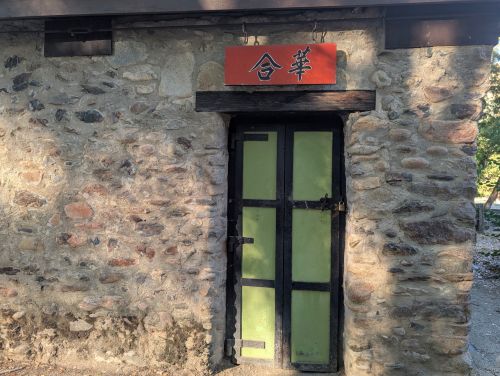
We walked around the big state historic park, saw some old buildings where Chinese used to live and work from the 1850’s till 1883. Stores that carried Chinese necessities, which also became their gathering places. I can just imagine what a comfort it would be for Chinese during that time, it’s important to hear your language, see your familiar things, reinforcing your existence long before this.
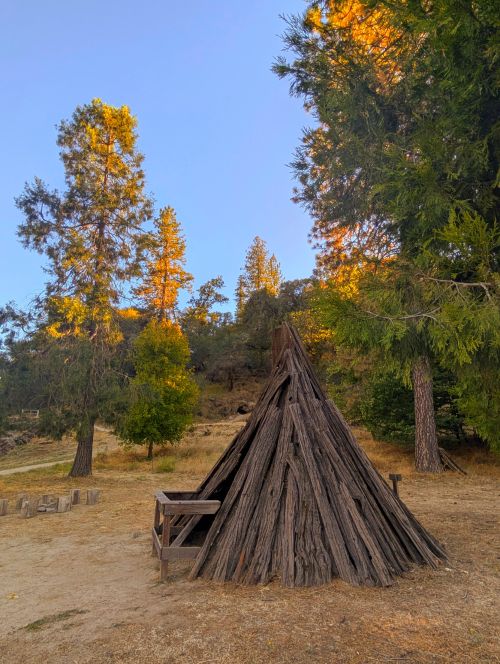
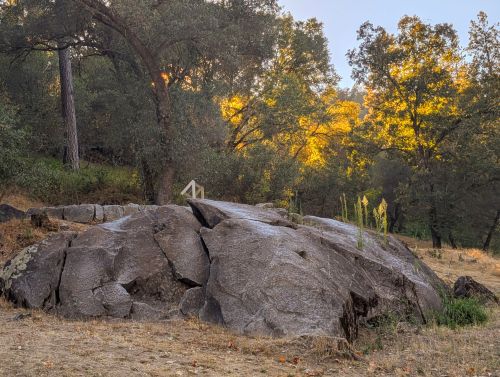
Then there are some Hu dwellings, (like wooden tee-pees), showing the original residents way of life. The valley along the South Fork of the American River was originally home to the Nisenan (Southern Maidu) people, who relied on the local wildlife, fish, and oak trees. It’s said the Name: Coloma comes from Cullumah, a Nisenan word meaning “beautiful”. There’s also a huge grinding rock, now with tall grass growing on top, rather a contrast, like teasing a stubborn old man.
The old jail of 1856 caught my eye, it’s titled the most impressive and secure jail of that time. Two stories, with first story made of granite block and steel. The designer of this jail was MF Butler, who later designed the California State Capitol. It’s interesting for his bio, the most impressive jail and the State Capitol. There’s a human size cage in front of the jail, which I assume that’s used to be inside. From the size of it, you don’t have much wiggle room. Coloma briefly served as the bustling capital of local mining and became the first county seat of El Dorado County in 1850.
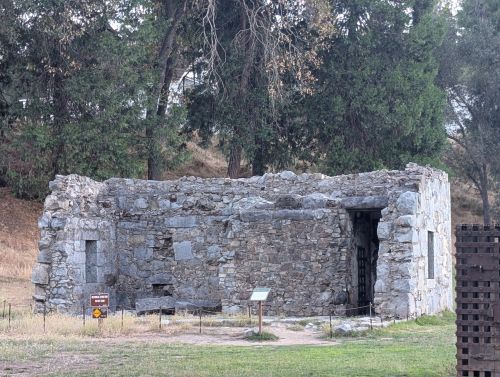
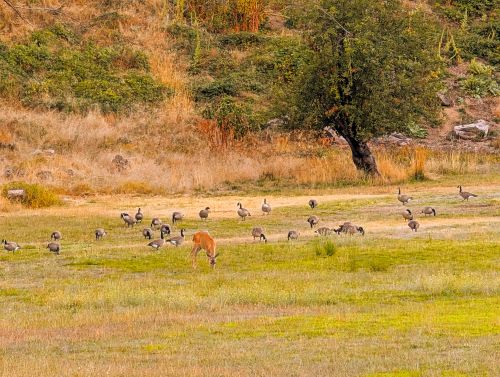
Behind the jail, a gaggle of geese and deer grazing peacefully under September sky. Even the jail softens its edges, looks like part of the nature.
As surface gold deposits quickly played out, miners moved on. Placerville, Old Hang Town, became the regional hub, and the county seat moved there in 1854. Coloma’s population plummeted from thousands down to a few hundred by the 1870s, and over 300 today.
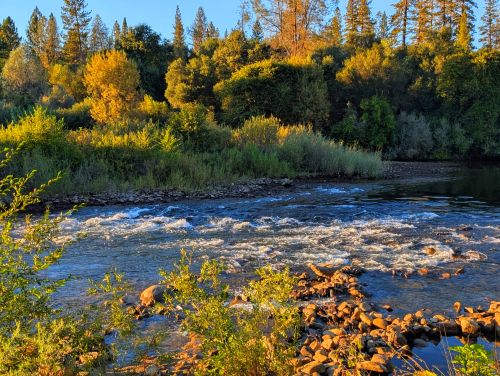
Different people come and go, Native Americans, prospectors, Chinese merchants… all left their marks on Coloma today. “Eventually all things merge into one, a river runs through it.”
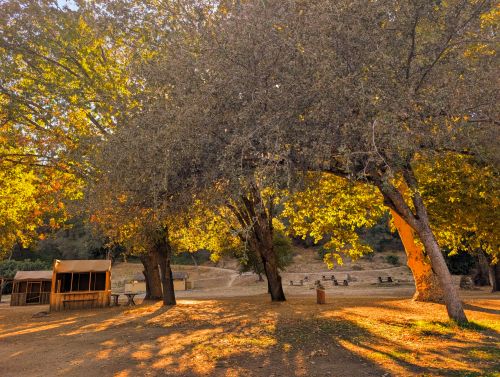
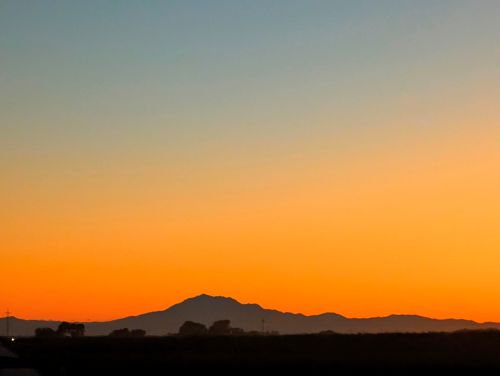
There’s no clouds today, so we got a clean print canvas version of afterglow. Soft like a Monet, bold like a Picasso.